Warehouse clubs: which cards Costco, Sam's Club and BJ's accept, and how they code
Which card networks Costco, Sam's Club and BJ's accept in the club and at the pump, and why a warehouse purchase may not earn your grocery or gas bonus.

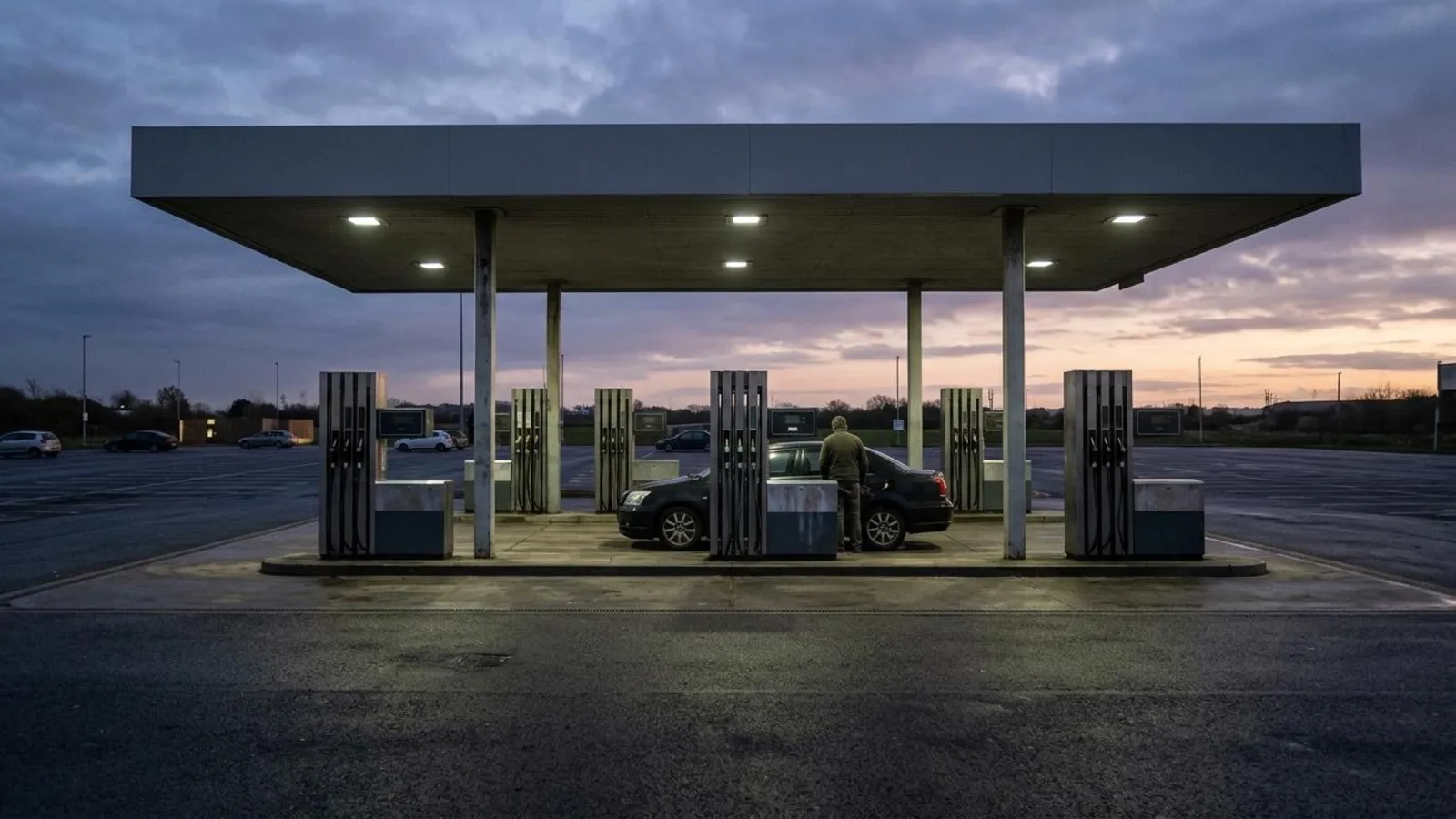
A warehouse club asks two questions of your wallet. First, will the club take the card at all? Second, if it does, what category will your issuer put the purchase in? The answers can be different in the club, at the club’s gas station and online, so the card that wins at the supermarket may earn little, or nothing, at the warehouse.
This guide covers US clubs, using each club’s own pages, read November 8, 2026. Where we couldn’t read a club’s page, we say what you should check instead. The cards in the worked example are hypothetical.
Costco: Visa in the warehouse and at the pump
Costco is the strictest of the three about card networks. Its Member Privileges and Conditions (checked November 8, 2026) list what each channel accepts:
| Where | What Costco lists |
|---|---|
| Warehouses | Visa cards, debit/ATM, cash, checks, EBT and Costco Shop Cards |
| Gas stations and car washes | Visa, debit/ATM and Costco Shop Cards |
| Costco.com | Visa, Mastercard, debit/ATM and Costco Shop Cards |
So a Mastercard, American Express or Discover credit card won’t work in a US Costco warehouse or at its pumps, though a Mastercard works on Costco.com. Costco’s gasoline Q&A (checked November 8, 2026) gives the pump rule as “Visa, most PIN debit cards and prepaid Costco Shop Cards.” It also says the fuel station is for members only, except that prepaid Shop Card customers don’t need a membership, and that stations in Oregon and New Jersey are full-service by law.
Sam’s Club: check the help center before you go
Sam’s Club publishes its accepted payment methods and fuel-center rules in its help center, at Accepted Payment Methods and Fuel Center & Carwash. Both pages refused automated access when we tried on November 8, 2026, so this draft doesn’t list Sam’s networks or pump rules. Read those two pages for the current lists, and in particular check whether the pump at your club takes the card you plan to use.
BJ’s: the widest list of the three
BJ’s help center (checked November 8, 2026) lists Visa, Mastercard, Discover (including JCB) and American Express credit cards, along with the BJ’s Capital One Mastercard, cash (in-club only), debit cards processed through Visa or Mastercard, PayPal, Apple Pay, BJ’s gift cards and SNAP EBT food benefits. The list doesn’t separate the club, the gas station and BJs.com, apart from noting that cash is in-club only, so check at your club if you plan to use a less common network at the pump.
A BJ’s press release dated January 30, 2025 (checked November 8, 2026) says members can pay for gas at all BJ’s Gas locations by tapping a credit or debit card or using digital wallets such as Apple Pay and Google Pay. That release is about how you pay at the pump, not which card networks the pump takes.
Acceptance is only half of it: how the purchase codes
Once a card is accepted, your issuer decides what the purchase earns. As our merchant category code guide explains, the code comes from how the merchant is set up, and the issuer then applies its own rules to that code. Warehouse clubs are a common case where those rules leave purchases out of a grocery bonus even when the cart is mostly food. Gas bought at a warehouse club’s station may be treated as warehouse spending rather than as a gas station, as our gas guide covers.
Issuers spell this out differently, so read your own card’s rewards terms. Two examples from official pages show the range. American Express’s Blue Cash Preferred offer terms (checked November 8, 2026) say “superstores, convenience stores, warehouse clubs, and meal-kit delivery services are not considered supermarkets,” and that “superstores, supermarkets and warehouse clubs that sell gasoline are not considered gas stations.” Citi’s Costco Anywhere Visa page (checked November 8, 2026) goes the other way for its own club: it lists “gas at Costco” as its own earning line, separate from other eligible gas, while its FAQ names “grocery or warehouse clubs” among purchases that earn 1% rather than the card’s restaurant and travel rate. Each shows how one issuer splits the categories for one card; neither tells you how any other card treats a warehouse purchase.
The practical rule: for each card you might use at a club, find the wording in its terms for supermarkets or groceries and for gas stations, and look for words such as “warehouse clubs,” “wholesale clubs” or “superstores.” If the terms are silent, a small purchase and a look at how it posts in the issuer’s app is the quickest check.

A worked example (invented figures and hypothetical cards)
A household spends, hypothetically, $400 a month in the club ($4,800 a year) and $100 a month on gas at the club’s station ($1,200 a year). It holds three hypothetical cards, all accepted at this imaginary club:
- Card A: 3% at supermarkets, 1% on everything else. Its terms exclude warehouse clubs from the supermarket category.
- Card B: a flat 2% on everything.
- Card C: 3% at gas stations, 1% on everything else. Its terms exclude gas at warehouse clubs.
| Spending | Card A | Card B | Card C |
|---|---|---|---|
| Club purchases, $4,800 | $48 (1%) | $96 (2%) | $48 (1%) |
| Club gas, $1,200 | $12 (1%) | $24 (2%) | $12 (1%) |
| Year total | $60 | $120 | $60 |
If you’d assumed Card A earned its supermarket rate in the club, you’d have expected $144 on the club purchases ($4,800 × 3%), $96 more than it pays. If you’d assumed Card C’s gas rate applied at the club pump, you’d have expected $36 ($1,200 × 3%), $24 more than it pays. In this example the flat-rate card earns the most at the club because both bonus cards fall back to their base rate there.
Now change one fact: suppose the club accepts only one network, and Card B is on another network. Card B then earns nothing at the club, and the choice is between Cards A and C at $60 a year. The arithmetic is simple; the mistake is starting it from the bonus rate instead of the rate the card pays at that club.
Use your own figures and terms. In your spending plan, give the warehouse club its own line rather than folding it into groceries or gas. Our flat-rate guide covers when a single card for leftovers makes sense, and the grocery guide covers splitting food spending by where you shop.
Checks before your next club trip
- Network: is the card’s network on the club’s current list for the place you’ll pay: in the club, at the pump or online?
- Category: do your card’s terms include or exclude warehouse clubs and warehouse gas?
- Posting: after a small purchase, how did it show up in the issuer’s app?
- Budget: buy in bulk only what you’d use anyway. Rewards on extra spending aren’t savings.
Common questions
Does Costco take Mastercard? On Costco.com, yes. In US warehouses and at Costco gas stations, Costco’s member conditions list Visa as the credit card network, alongside debit/ATM cards and Shop Cards.
Does Costco count as a grocery store for credit card rewards? That’s the issuer’s decision under its own terms, not Costco’s. Some card terms exclude warehouse clubs from the grocery or supermarket category; American Express’s Blue Cash Preferred terms are one example. Check your card.
Does gas at a warehouse club count as gas? It depends on your card’s terms and how the station codes. Check the terms and a past statement.
Do I need a membership to buy gas? At Costco, yes, except for prepaid Shop Card customers, according to its gasoline Q&A. For Sam’s Club and BJ’s, check the clubs’ own pages.
Does BJ’s take American Express or Discover? BJ’s help center lists both, along with Visa and Mastercard.
Sources checked November 8, 2026: Costco Member Privileges and Conditions, Costco gasoline Q&A, BJ’s payment types, BJ’s tap-to-pay gas release, American Express Blue Cash Preferred offer terms and Citi Costco Anywhere Visa. Sam’s Club’s help-center pages couldn’t be read on that date. This guide is general education, not individual financial advice. Pay your card in full each month.